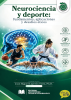
NEUROCIENCIA Y DEPORTE: FUNDAMENTOS NEUROBIOLÓGICOS, APLICACIONES PRÁCTICAS Y DESAFÍOS ÉTICOS: Neuroscience and sport: neurobiological foundations, practical applications, and ethical challenges
Palabras clave:
NEUROCIENCIAS, DEPORTE, REHABILITACIÓN, RENDIMIENTO, ESTRESSinopsis
Esta obra colectiva, titulada "Neurociencia y deporte: fundamentos neurobiológicos, aplicaciones prácticas y desafíos éticos", constituye una referencia integral y actualizada sobre la intersección entre las neurociencias y las ciencias de la actividad física y el deporte. El libro reúne el trabajo de catorce investigadores y profesionales. Ellos abordan desde los mecanismos celulares y moleculares del sistema nervioso hasta las aplicaciones prácticas en el entrenamiento, la rehabilitación y la competición. No descuidan las implicaciones éticas y legales que emergen del uso de neurotecnologías en el ámbito deportivo.
Capítulos
-
NEUROPSICOLOGÍA DEL ESTRÉS Y LA ANSIEDAD EN EL DEPORTENEUROPSYCHOLOGY OF STRESS AND ANXIETY IN SPORT
-
PLASTICIDAD NEURONAL Y SU RELACIÓN CON EL APRENDIZAJE Y EL RENDIMIENTO DEPORTIVONEURAL PLASTICITY AND ITS RELATIONSHIP WITH LEARNING AND SPORTS PERFORMANCE
-
SISTEMA ENERGÉTICO Y SU RELACIÓN NEUROLÓGICA DURANTE EL EJERCICIO.ENERGY SYSTEM AND ITS NEUROLOGICAL RELATIONSHIP DURING EXERCISE.
-
INTRODUCCIÓN A LA NEUROCIENCIA Y SU IMPORTANCIA EN EL ÁMBITO DEPORTIVOINTRODUCTION TO NEUROSCIENCE AND ITS IMPORTANCE IN THE SPORTS FIELD
-
PRINCIPIOS Y APLICACIONES DE LA NEURORREHABILITACIÓN EN EL CONTEXTO DEPORTIVOPRINCIPLES AND APPLICATIONS OF NEUROREHABILITATION IN THE SPORTS CONTEXT
-
ATENCIÓN, PERCEPCIÓN Y TOMA DE DECISIONES EN EL DEPORTE.ATTENTION, PERCEPTION AND DECISION MAKING IN SPORTS.
-
TERAPIAS COMPLEMENTARIAS BASADAS EN LA NEUROCIENCIA: ESTIMULACIÓN CEREBRAL PARA EL RENDIMIENTO Y LA RECUPERACIÓN DEPORTIVACOMPLEMENTARY NEUROSCIENCE-BASED THERAPIES: BRAIN STIMULATION FOR SPORTS PERFORMANCE AND RECOVERY
-
IMPLICACIONES ÉTICAS Y CONSIDERACIONES LEGALES EN EL USO DE TECNOLOGÍAS BASADAS EN NEUROCIENCIA EN EL DEPORTEETHICAL IMPLICATIONS AND LEGAL CONSIDERATIONS IN THE USE OF NEUROSCIENCE-BASED TECHNOLOGIES IN SPORT
-
BASES NEUROLÓGICAS DEL CONTROL MOTOR Y LA COORDINACIÓN DE MOVIMIENTOSNEUROLOGICAL BASES OF MOTOR CONTROL AND MOVEMENT COORDINATION
-
MEMORIA, APRENDIZAJE Y CONSOLIDACIÓN DE HABILIDADES MOTORASMEMORY, LEARNING, AND CONSOLIDATION OF MOTOR SKILLS
-
RESPUESTAS NEUROENDOCRINAS AL ENTRENAMIENTO Y LA ACTIVIDAD FÍSICA.NEUROENDOCRINE RESPONSES TO TRAINING AND PHYSICAL ACTIVITY.
-
ESTRUCTURA Y FUNCIONAMIENTO BÁSICO DEL SISTEMA NERVIOSOSTRUCTURE AND BASIC FUNCTIONING OF THE NERVOUS SYSTEM
-
FUNCIONES EJECUTIVAS Y SU INFLUENCIA EN LA PLANIFICACIÓN Y EJECUCIÓN DE ACCIONES DEPORTIVASEXECUTIVE FUNCTIONS AND THEIR INFLUENCE ON THE PLANNING AND EXECUTION OF SPORTS ACTIONS
-
NEUROBIOLOGÍA DE LA FATIGA Y LA RECUPERACIÓN EN EL DEPORTENEUROBIOLOGY OF FATIGUE AND RECOVERY IN SPORT
-
NEUROLOGÍA DE LAS LESIONES DEPORTIVAS Y SU IMPACTO EN EL RENDIMIENTONEUROLOGY OF SPORTS INJURIES AND THEIR IMPACT ON PERFORMANCE
-
NEURO PLASTICIDAD Y ADAPTACIONES FUNCIONALES DEL SISTEMA NERVIOSO AL ENTRENAMIENTO
-
REHABILITACIÓN DE LA MOTRICIDAD FINA Y GRUESA: FUNDAMENTOS TEÓRICOS, EVALUACIÓN E INTERVENCIONES EN TERAPIA OCUPACIONAL Y FISIOTERAPIA
Descargas
Los datos de descargas todavía no están disponibles.
Citas
Brain Health DC. (2023). Balancing school and sports: How functional neurology can enhance academic and athletic performance. https://www.brainhealthdc.com/es/post/balancing-school-and-sports-how-functional-neurology-can-enhance-academic-and-athletic-performance
Etessam, J. P. (2022). Control motor en la teoría de programación motora. Instituto de Neurociencias. https://ineurociencias.org/control-motor-en-la-teoria-de-programacion-motora-neurociencia/
Freitas, L. H. (2024). Neurology and sports. StudySmarter. https://www.studysmarter.co.uk/explanations/sports-science/neurology-and-sports/
Guamán, D. (2024). Las lesiones deportivas en el estrés de los estudiantes universitarios. [Tesis de grado, Universidad Nacional de Chimborazo]. http://dspace.unach.edu.ec/bitstream/51000/14175/1/Guam%c3%a1n%20Ch.%2c%20David%20I.%20%282024%29%20Las%20Lesiones%20de%20portivas%20en%20el%20estr%c3%a9s%20de%20los%20estudiantes%20universitarios.pdf
Guskiewicz, K. M., McCrea, M., Marshall, S. W., Cantu, R. C., Randolph, C., Barr, W., ... & Kelly, J. P. (2003). Cumulative effects associated with recurrent concussion in collegiate football players. Neurosurgery, 53(3), 614-625. https://doi.org/10.1227/01.NEU.0000080401.55109.26
Harmon, K. G., Drezner, J. A., Gammons, M., Guskiewicz, K. M., Halstead, M., Herring, S. A., ... & Roberts, W. O. (2013). American Medical Society for Sports Medicine position statement: concussion in sport. British Journal of Sports Medicine, 47(1), 15-26. https://doi.org/10.1136/bjsports-2012-091941
Kleim, J. A., & Jones, T. A. (2008). Principles of experience-dependent neural plasticity: implications for rehabilitation after brain damage. Journal of Speech, Language, and Hearing Research, 51(1), S225-S239. https://doi.org/10.1044/1092-4388(2008/018)
Koren, L. (2025). Concussion in athletes. Creyos. https://creyos.com/blog/concussion-in-athletes
Mao, G., & Spain, D. (2024). Conmociones cerebrales relacionadas con los deportes. Manual MSD. https://www.msdmanuals.com/es/professional/lesiones-y-envenenamientos/traumatismo-encefalocraneano/conmociones-cerebrales-relacionadas-con-los-deportes
McCrea, M., Guskiewicz, K. M., Randolph, C., Barr, W. B., Hammeke, T. A., Marshall, S. W., ... & Kelly, J. P. (2013). Incidence, clinical course, and predictors of prolonged recovery time following sport-related concussion. Journal of the International Neuropsychological Society, 19(1), 22-33. https://doi.org/10.1017/S1355617712000881
Medicover. (2024). Psychological effects of brain injury. Medicover Hospitals. https://www.medicoverhospitals.in/es/articles/psychological-effects-of-brain-injury
Medsurge India Health. (2025). How do sports injuries affect the brain? https://medsurgeindia.com/es/how-do-sports-injuries-affect-the-brain/
Pamboris, G. (2024). Fisioterapia en neurorrehabilitación con énfasis en el deporte. Sports, 12(10), 276. https://doi.org/10.3390/sports12100276
Pedrosa, M., & Martins, B. (2023). Está en juego: una revisión de las lesiones neurológicas asociadas al deporte. Elsevier. https://www.sciencedirect.com/science/article/abs/pii/S0022510X23022645
Porta, J. (2022). Control motor en la teoría de programación motora. Instituto de Neurociencias. https://ineurociencias.org/control-motor-en-la-teoria-de-programacion-motora-neurociencia/
Porta, J. (2025). Neuroscience and sports medicine. Instituto de Neurociencias. https://ineurociencias.org/neuroscience-and-sports-medicine/
Prezi. (2026). Análisis neurológico de las lesiones deportivas y su impacto en el rendimiento. https://prezi.com/p/z5ruenj7da8u/analisis-neurologico-de-las-lesiones-deportivas-y-su-impacto-en-el-rendimiento/
Ruibal, B. (2021). Sistema nervioso y movimiento. Mundo Entrenamiento. https://mundoentrenamiento.com/sistema-nervioso-y-movimiento/
Shumway-Cook, A., & Woollacott, M. H. (2017). Motor control: Translating research into clinical practice (5th ed.). Wolters Kluwer.
Tettenborn, B., & Mehnert, S. (2020). Lesiones de los nervios periféricos debidas al deporte. Medizinonline. https://medizinonline.com/es/lesiones-de-los-nervios-perifericos-debidas-al-deporte/
Universidad Europea. (2025). Control motor: qué es y cómo aplicarlo al deporte. https://universidadeuropea.com/blog/control-motor/
Valle, M. (2022). Conmoción cerebral y traumatismo craneoencefálico en el deporte. Archivos de Medicina del Deporte, 39(4), 245-256. https://archivosdemedicinadeldeporte.com/articulos/upload/articulo_4.pdf
Descargas
Publicado
octubre 23, 2026
Categorías
Derechos de autor 2026 Portal de Libros Universidad Técnica de Babahoyo
Licencia

Esta obra está bajo una licencia internacional Creative Commons Atribución-NoComercial 4.0.
 Email: editorial@utb.edu.ec
 Teléfono: (+593) 959118258
 Web:
 Dirección: Oficina Editorial: Universidad Técnica de Babahoyo | Av. Universitaria, Km. 2,5 vía Flores